Static Route Optimisation - what it is and when to use it.
Static Route Optimisation is a great tool, however it is not as straight forward as it sounds!

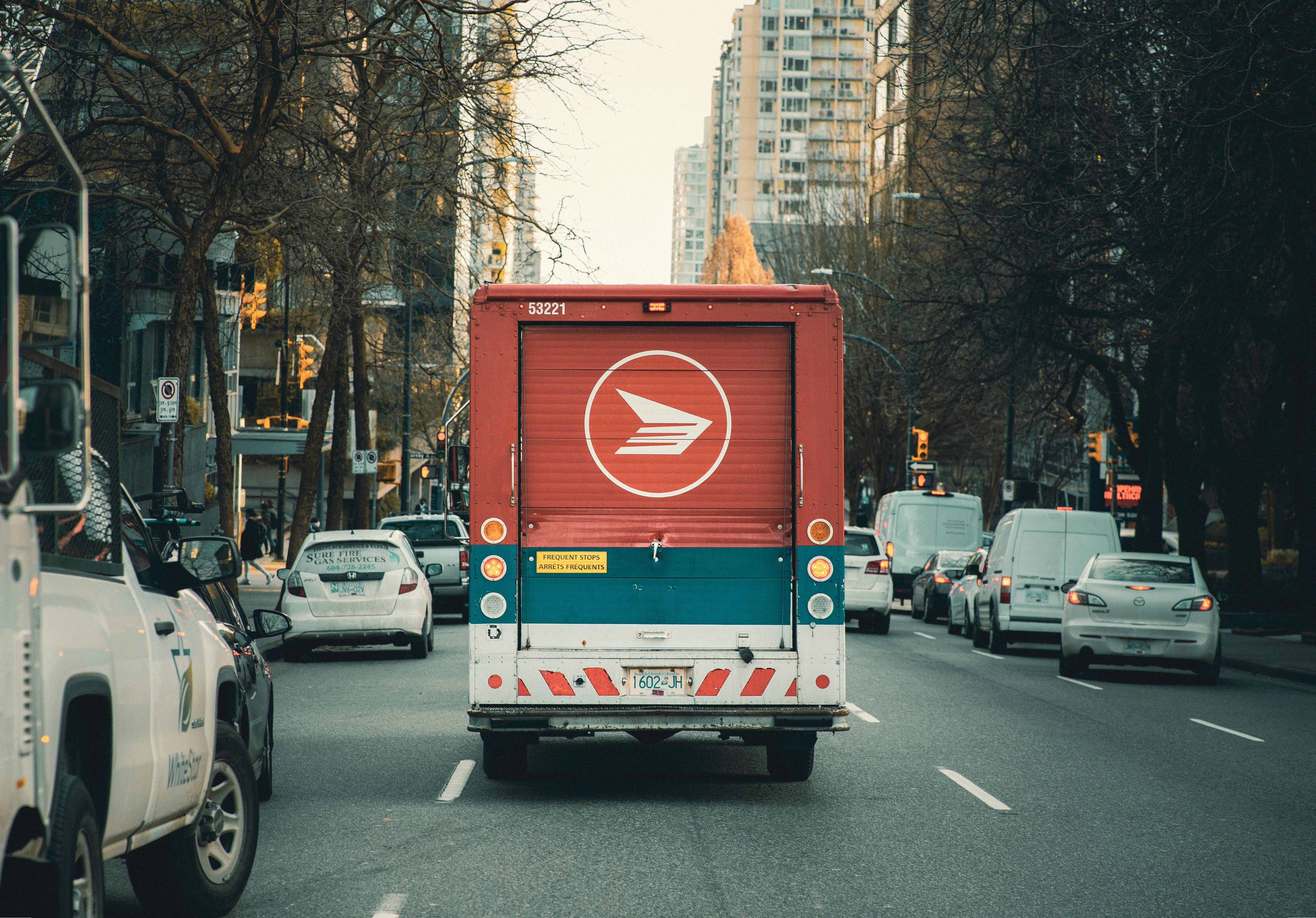
Route optimisation has been a buzz word for decades, and often the first thing an operation will turn to when it needs to reduce costs. However traditional route optimisation is not always practical, particularly when it comes to couriers or last mile delivery.
For a traditional route optimisation solution there are several upfront requirements, for instance that you must know where your customers are and how much you are planning to collect or deliver from them. This might sound self-explanatory, however for Courier businesses this information is not known upfront, or it becomes known too late.
This is due to the fact that courier freight is delivered next day, with freight originating from various branches overnight via linehauls. If you have a sorter the problem is exacerbated because you must begin your fine sort late afternoon, prior to all freight from regional areas having arrived. In other words, you cannot run a full dynamic planning solution yet.
This is common knowledge for courier companies, which is why they turn to static route optimisation (what we call it), or territory sectorisation or route zoning (what our competitors call it when they try to sound smart). The idea is simple, routes are based on areas, and every single parcel for an area is always planned to the same route.
This is however not as simple as it sounds, since it implies that areas must be created such that the total load on routes is not exceeded. For small operations this is easy, an operator can do it in his or her head, they assess the freight on the floor and sort it to routes manually. But when you do this for hundreds of routes you need a bit more science. This is where static route optimisation comes in, essentially it is zoning areas based on a statistical prediction of the demand in that area such that the total demand is serviced and the total route cost is minimised. Area zoning can either be done using custom shapes, which requires all shipments to be geocoded, or alternatively (the more common approach in South Africa), zoned based on a static suburb list. The static route optimisation is therefore the optimal allocation of areas into logical routes such that all demand is met.
When we do static route optimisation at Meado, using our network designer tool, we take into account:
- Demand - defined in terms of any metric (shipments, parcels, weight, stops, customers etc) and expressed as a probability of occurring in an area on a day.
- Traffic and Road Networks (zoning must adhere to logical road networks and geographical constraints, you can't combine areas on both sides of Table Mountain in Cape Town into a logical delivery route!)
- Fleet mix and composition - the fleet mix available determine the size and configuration of the areas.
- Stop durations and time windows - stop time and time windows must be respected to ensure service levels are maintained.
So what are the benefits? A typical static route optimisation exercise, when applied to a fleet that has not maintained their routing configurations adequately can easily yield a ~5-10% fleet reduction. In cases where couriers operate using owner drivers the need for static route optimisation is not diminished, since owner drivers still need viable areas to sustain their businesses.
This all sounds extremely time consuming and tedious, well yes it used to be, however at Meado we've enhanced our tools to the point that a large metropolitan branch in South Africa takes less than a week to overhaul and rebalance.
Static route optimisation is therefore a wonderful tool for optimising last mile delivery fleets, where traditional dynamic routing approaches are not applicable. Let us know if you would like to get in touch and chat about it over a coffee.