The Hidden Cost of Static Routes in Retail Delivery
Courier companies build dedicated fleets for retail freight, then route them with courier logic. This piece looks at why that mismatch exists and what dynamic route planning does differently.

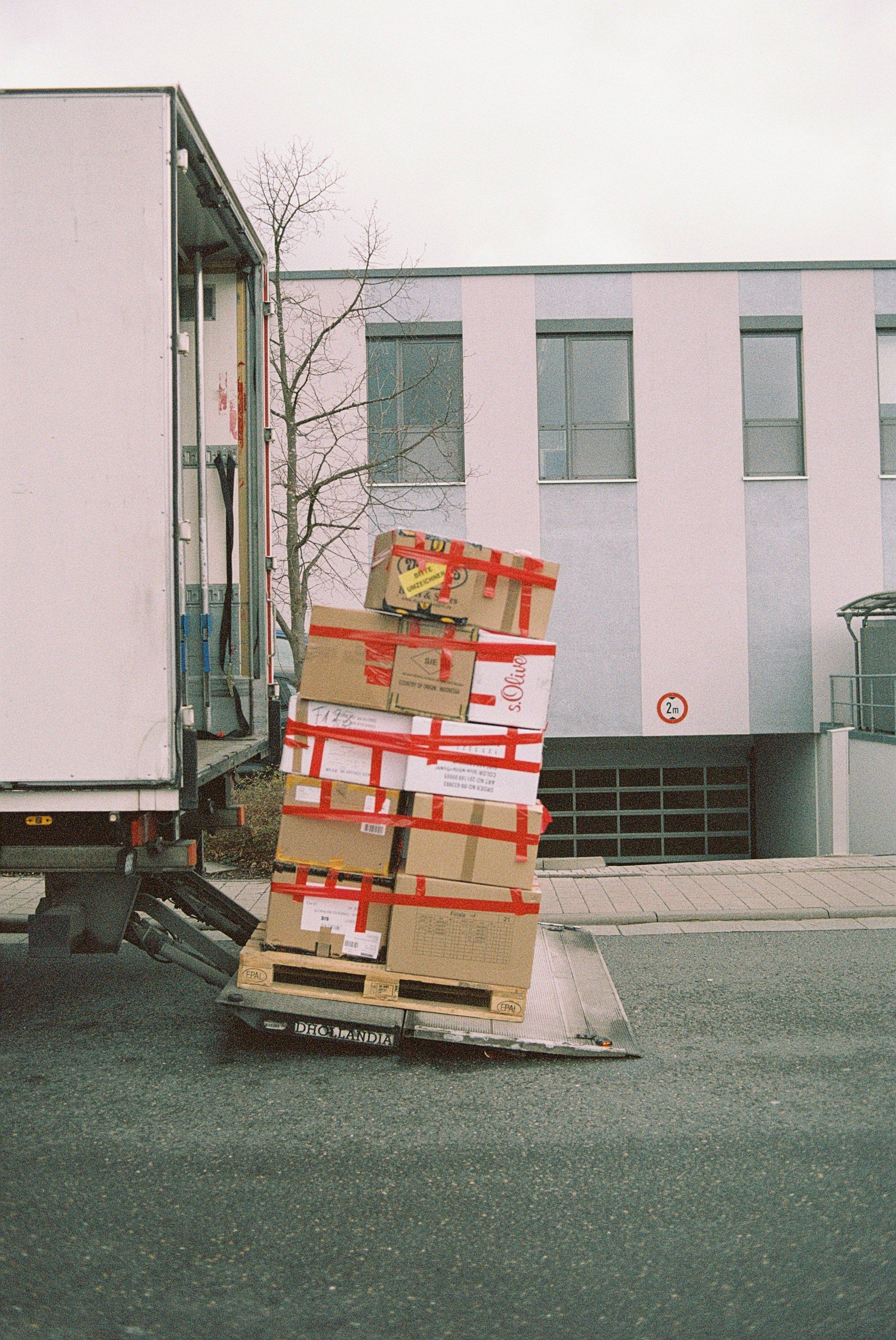
For courier companies retail deliveries can be challenging. Couriers tend to predominantly focus on small parcels, where deliveries are quick (<10min). These are generally done using Bakkies (pick up trucks) in South Africa and with large parcel counts these routes can do upwards of 50 stops a day, making them profitable.
However, when these same routes start doing back-door deliveries at retailers the stop times at the back door as well as the freight profile challenges the traditional courier model. You now have much longer waiting times (60min plus) and generally have larger amounts of freight more suitable to trucks.
At the same time couriers do not want to turn down this freight. Customers do not want multiple 3PLs, they want a single provider that can cater for B2B, retail, ecommerce and DCs. The result is generally therefore that couriers will start building dedicated fleets and teams that only service retail, this ensures that their core courier routes remain productive, and that they have dedicated routes that can deal with the larger freight volume and longer stop times.
The problem is they still apply courier principles to these fleets, routes are generally zoned based on areas and are static, meaning the same route always does the same stops, regardless of how much freight there is. This is the perfect use-case for dynamic route planning!
What is dynamic route planning? It's simple, you solve for the optimal routes and fleet mix daily, based on the shipments on the floor. The reason retail fleets are well suited to this are:
· Locations are known upfront (large retail chains are static, you know where all the Shoprite or Builders Warehouse stores are upfront) · You have some time to plan, traditional courier freight must go out the next day, where customers are willing to wait a little longer (3-5 days) for retail freight.
The opportunity is therefore that you can optimally plan retail routes, based on all constraints, optimally every day. And the results are staggering, in the implementations we've done the route reduction is generally 20 – 30%. Yes, you read that correctly. The benefit also goes straight to your bottom line, the cost of the software is a fraction of the saving and there are almost no additional costs required.
So how does it work? We believe that the best solutions empower operators, instead of making their life harder. The Meado Dynamic Route Planning solution is implemented with zero IT integration, it is implemented on the floor for dispatch clerks or zone controllers to use and greatly improves sorting processes as well. Implementation time is generally under a week and the benefits are immediate. In addition to the route reduction the system also generally reduces driving distance by 10% or more, so there is also a fuel and maintenance saving.
The result is that couriers can maintain or improve service to retailers, with less resources and with little to no complex IT integration.